MOOD
MOOD was looking for a full-service branding and magazine design.
(Client)
MOOD
(Year)
2024
(Services)
Branding, Magazine design
Dynamic
Magazine
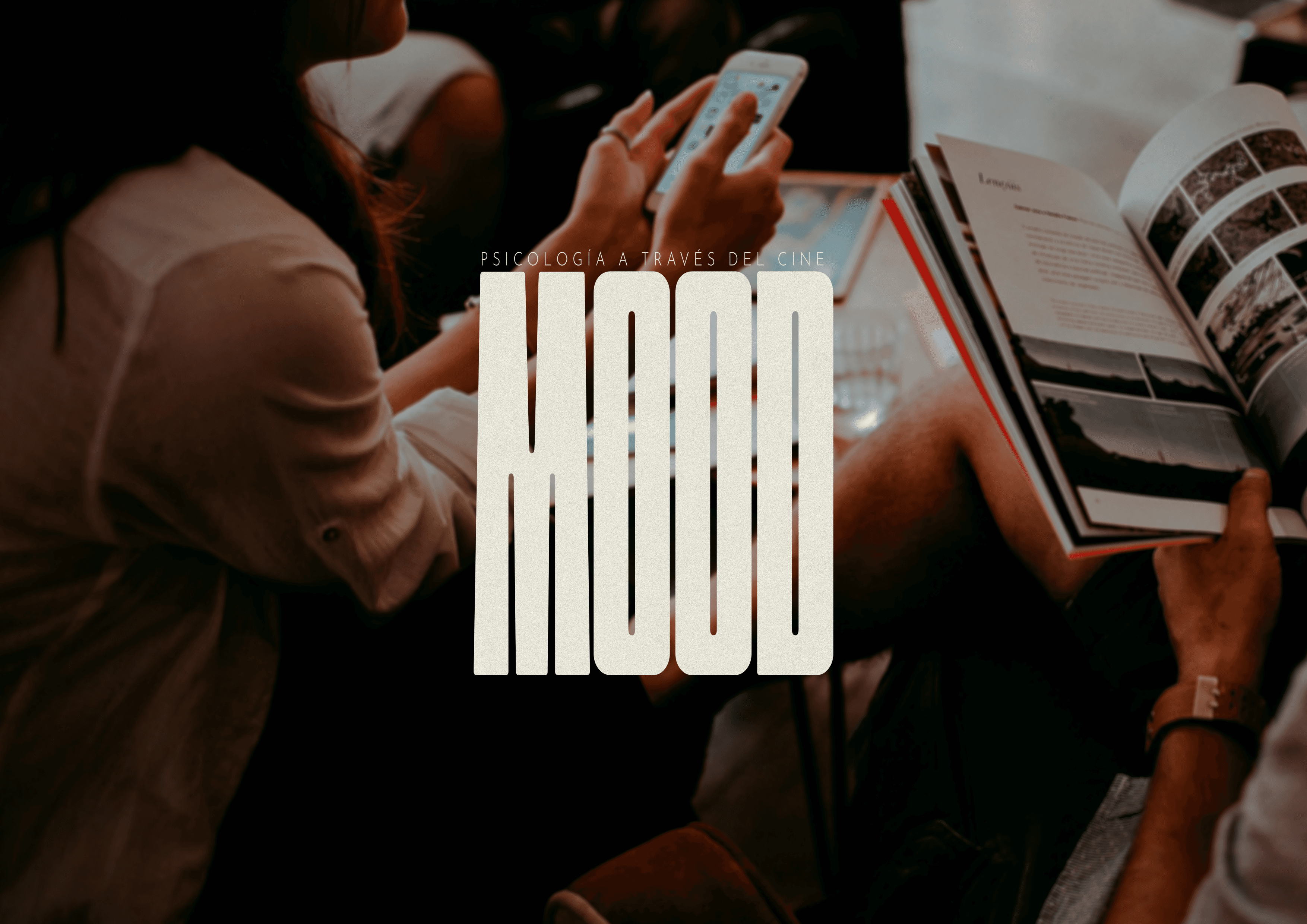
Created a Magazine call “MOOD Psychology through cinema” reflects the interest of the psychology behind cinematic process.
The goal was to create a brand that bridges two worlds, film and psychology, through a compelling visual identity and editorial voice that speaks to both movie lovers and those curious about the human mind.
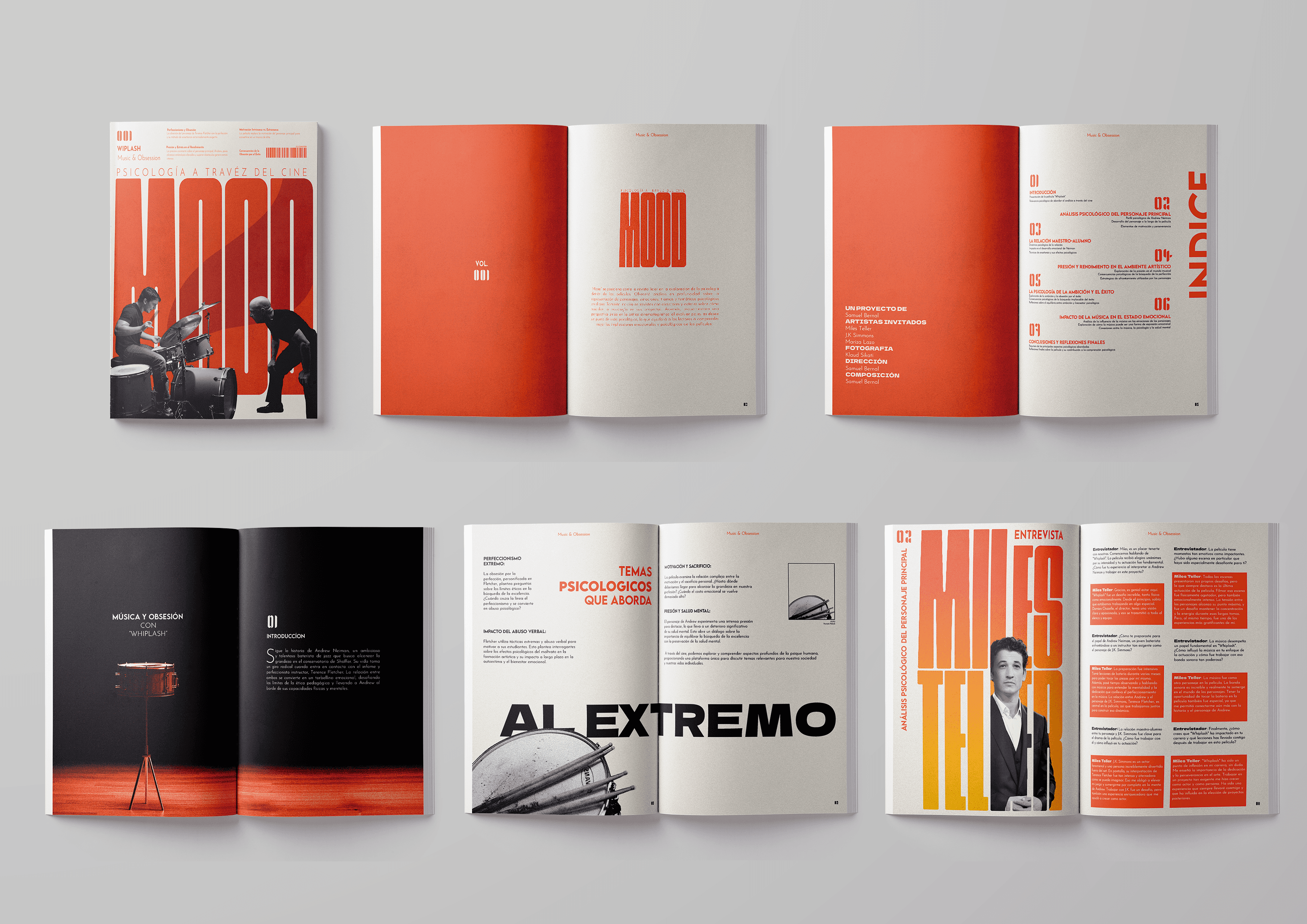
MOOD offers in-depth analysis of how emotions, character development, plot structures, and psychological themes are portrayed on screen. Each issue features interviews with directors and actors, discussing how they integrate psychological elements into their creative process. The magazine brings a unique perspective to film criticism by evaluating movies through a psychological lens, helping readers better understand the emotional and cognitive impact of cinema.
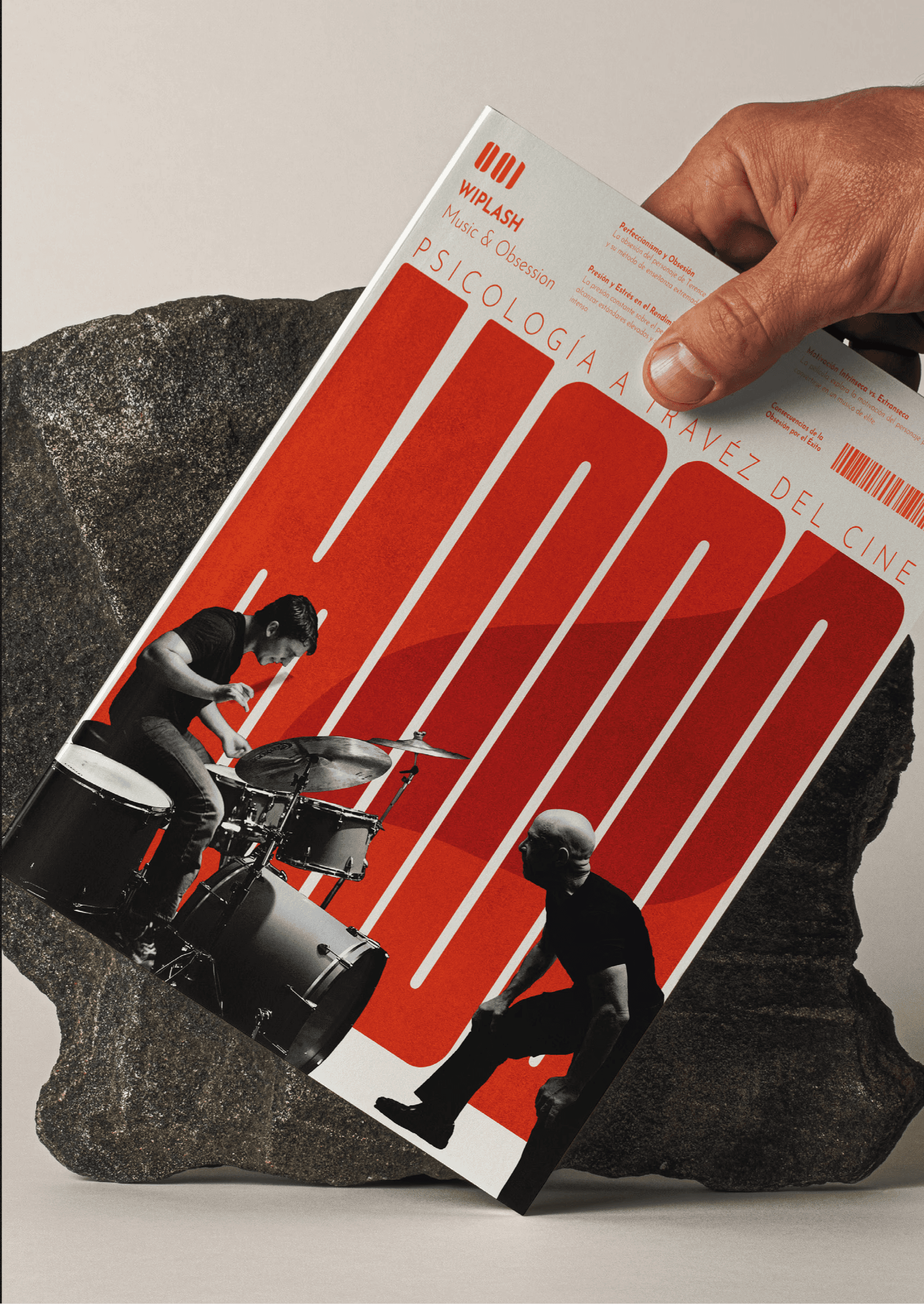
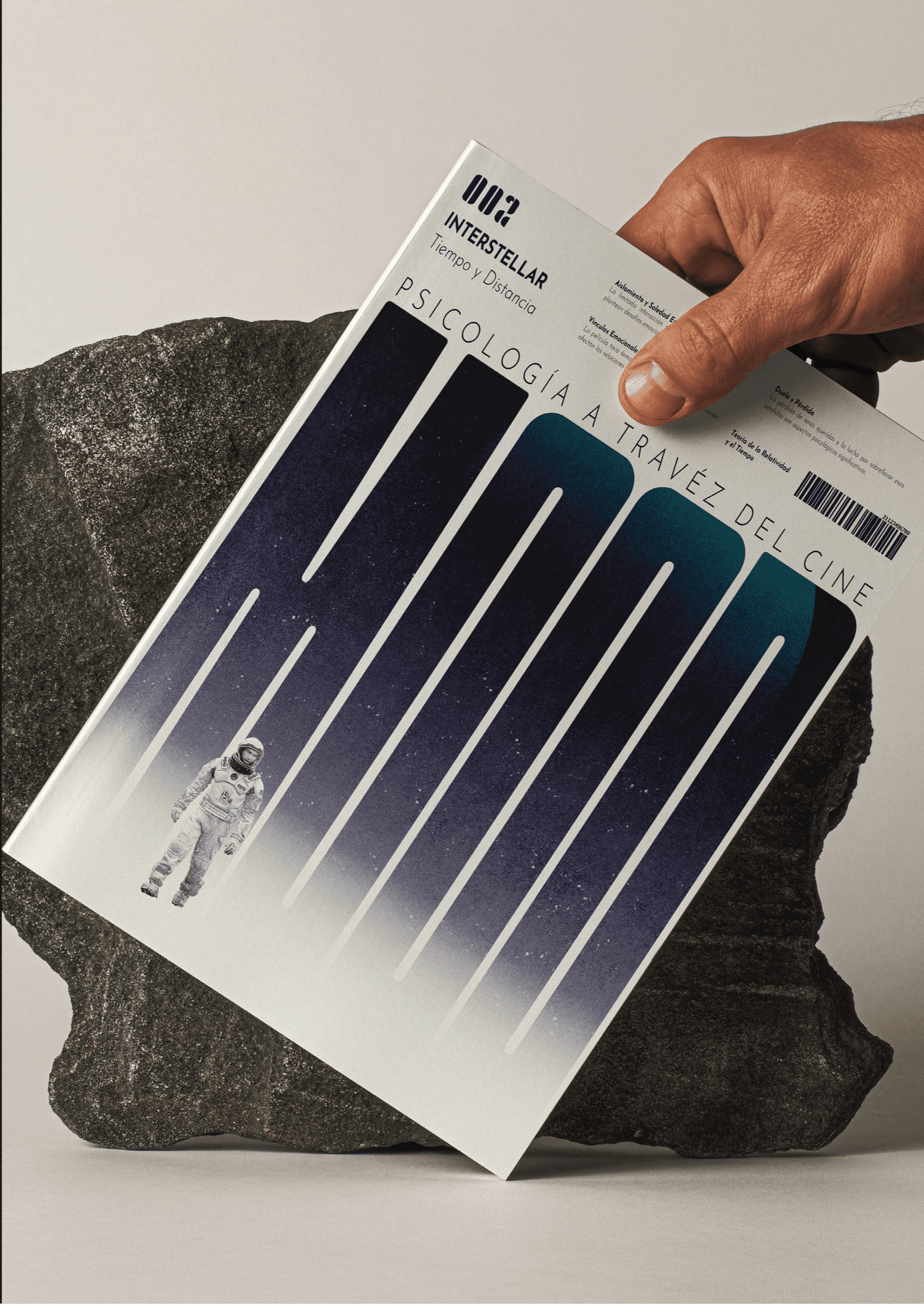
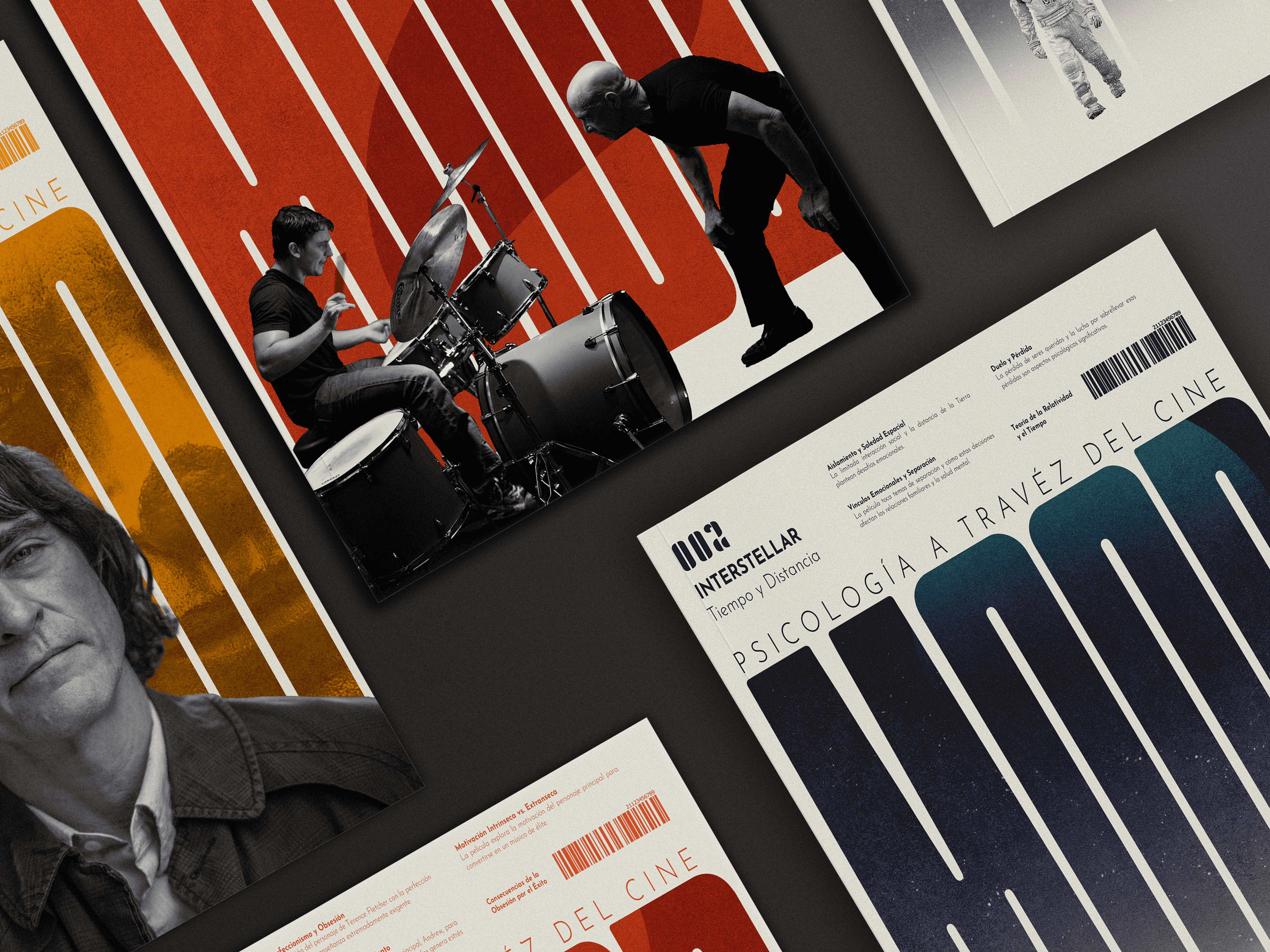
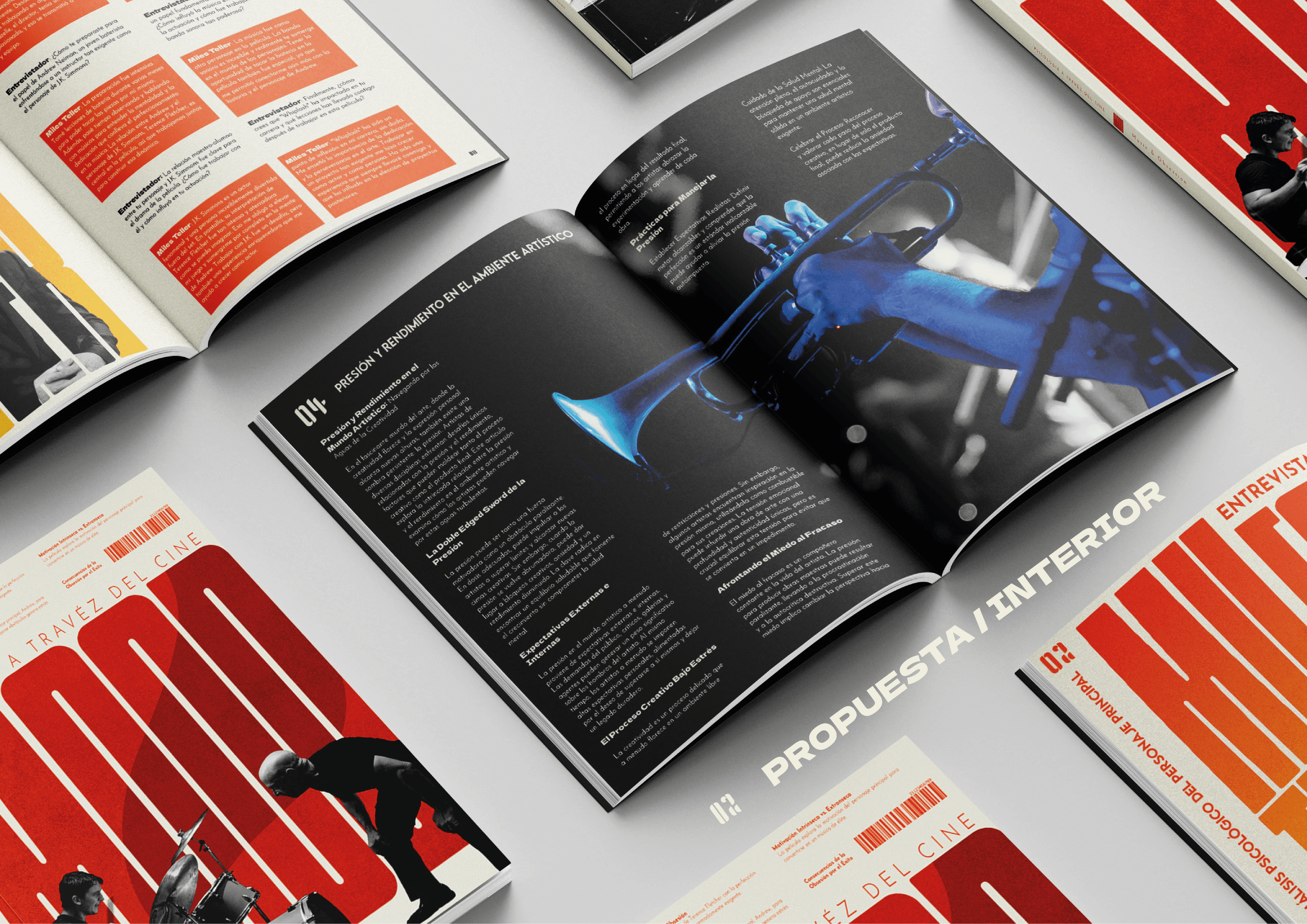
Visually, the identity plays with contrast: bold, vibrant colors paired with black-and-white photography and illustrations inspired by classic cinema. This combination evokes a sense of nostalgia while maintaining a clean, modern, and minimalist layout. The typography and layout design are crafted to echo the aesthetics of old film magazines, reimagined through a contemporary lens.
The tone of MOOD is accessible and informative, avoiding overly technical jargon in favor of clarity and engagement. Each edition is designed to be visually striking and intellectually stimulating, often centered around a specific film that is explored through character analysis, psychological commentary, interviews, and critical reviews.
By combining editorial depth with visual storytelling, MOOD becomes more than a magazine, it’s an immersive experience that reveals the emotional architecture of the films we love.
MOOD
MOOD was looking for a full-service branding and magazine design.
(Client)
MOOD
(Year)
2024
(Services)
Branding, Magazine design
Dynamic
Magazine
Created a Magazine call “MOOD Psychology through cinema” reflects the interest of the psychology behind cinematic process.
The goal was to create a brand that bridges two worlds, film and psychology, through a compelling visual identity and editorial voice that speaks to both movie lovers and those curious about the human mind.
MOOD offers in-depth analysis of how emotions, character development, plot structures, and psychological themes are portrayed on screen. Each issue features interviews with directors and actors, discussing how they integrate psychological elements into their creative process. The magazine brings a unique perspective to film criticism by evaluating movies through a psychological lens, helping readers better understand the emotional and cognitive impact of cinema.
Visually, the identity plays with contrast: bold, vibrant colors paired with black-and-white photography and illustrations inspired by classic cinema. This combination evokes a sense of nostalgia while maintaining a clean, modern, and minimalist layout. The typography and layout design are crafted to echo the aesthetics of old film magazines, reimagined through a contemporary lens.
The tone of MOOD is accessible and informative, avoiding overly technical jargon in favor of clarity and engagement. Each edition is designed to be visually striking and intellectually stimulating, often centered around a specific film that is explored through character analysis, psychological commentary, interviews, and critical reviews.
By combining editorial depth with visual storytelling, MOOD becomes more than a magazine, it’s an immersive experience that reveals the emotional architecture of the films we love.
MOOD
MOOD was looking for a full-service branding and magazine design.
(Client)
MOOD
(Year)
2024
(Services)
Branding, Magazine design
Dynamic
Magazine
Created a Magazine call “MOOD Psychology through cinema” reflects the interest of the psychology behind cinematic process.
The goal was to create a brand that bridges two worlds, film and psychology, through a compelling visual identity and editorial voice that speaks to both movie lovers and those curious about the human mind.
MOOD offers in-depth analysis of how emotions, character development, plot structures, and psychological themes are portrayed on screen. Each issue features interviews with directors and actors, discussing how they integrate psychological elements into their creative process. The magazine brings a unique perspective to film criticism by evaluating movies through a psychological lens, helping readers better understand the emotional and cognitive impact of cinema.
Visually, the identity plays with contrast: bold, vibrant colors paired with black-and-white photography and illustrations inspired by classic cinema. This combination evokes a sense of nostalgia while maintaining a clean, modern, and minimalist layout. The typography and layout design are crafted to echo the aesthetics of old film magazines, reimagined through a contemporary lens.
The tone of MOOD is accessible and informative, avoiding overly technical jargon in favor of clarity and engagement. Each edition is designed to be visually striking and intellectually stimulating, often centered around a specific film that is explored through character analysis, psychological commentary, interviews, and critical reviews.
By combining editorial depth with visual storytelling, MOOD becomes more than a magazine, it’s an immersive experience that reveals the emotional architecture of the films we love.